
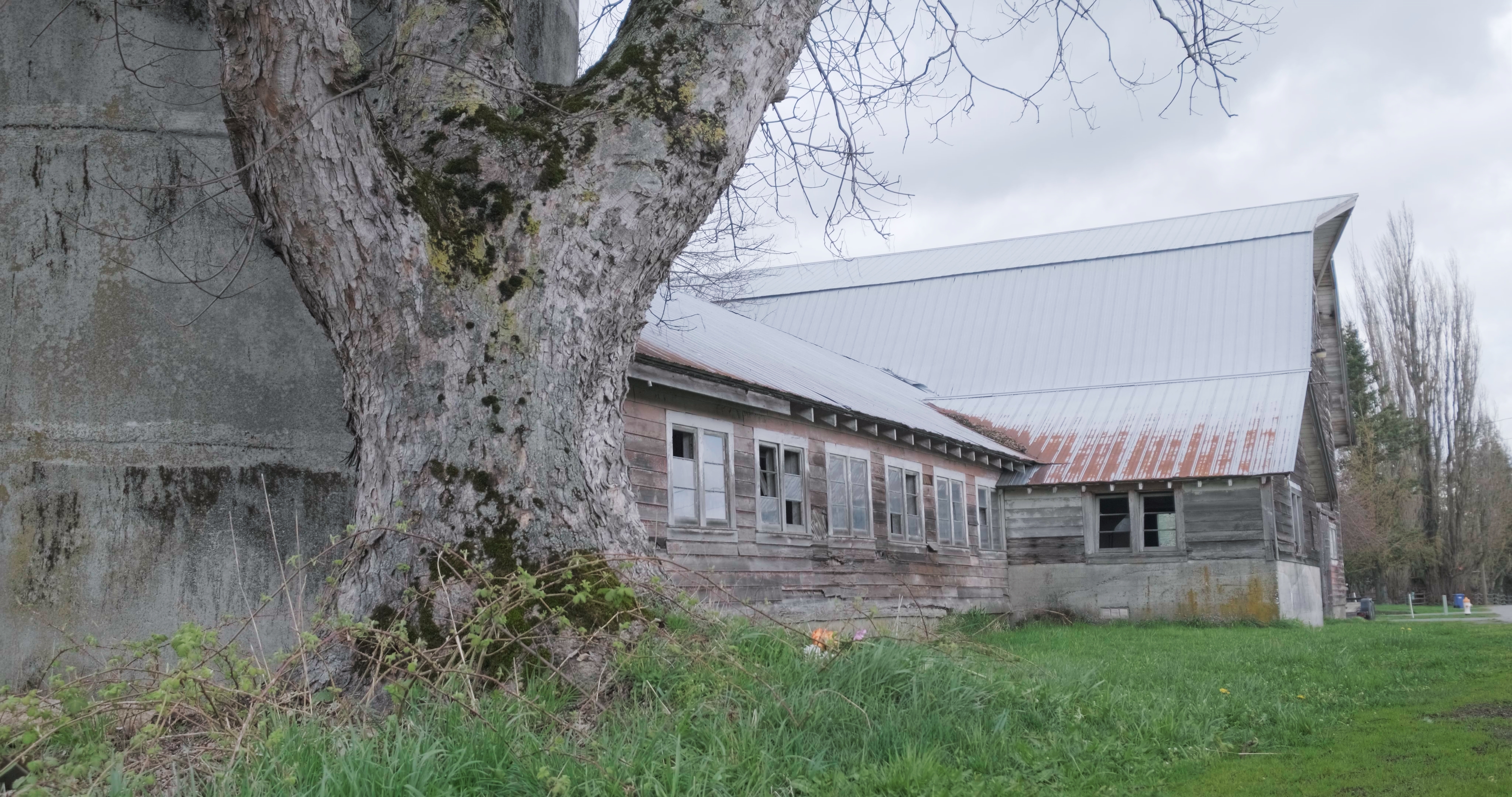
findyou.ca · Our first feature documentary
Legacy of a Lynching —
Creating A Resting Heart
In the spring of 2023, a descendant of a lynch mob leader drove to Semá:th to apologize for the killing of a fifteen-year-old Stó:lō boy. We were invited to witness the day, and we filmed it.
Public screening · Sept 23 · AbbotsfordThe first one
This is the first feature Find You has been part of that was funded and produced here at home — in the valley, by the valley. It is a documentary record of one day of apology, and of the history that made that day necessary.
It was made in harmony and collaboration with Stó:lō, produced under the University of the Fraser Valley’s Peace and Reconciliation Centre, with Professor Keith Carlson (Stelómetel) as executive producer. Our role was small and deliberate: to hold a camera steady, stay out of the way, and make sure the day was not lost.
The film runs approximately one hour. The September 23 screening in Abbotsford is its public debut — free admission, followed by a conversation and Q&A.
Foreword · Dr. Keith Thor Carlson (Stelómetel), Director, UFV Peace and Reconciliation Centre
A boy named Louie Sam, and a name never cleared
On a cold night in 1884, a mob of American men crossed the border into British Columbia and lynched fifteen-year-old Stó:lō boy Louie Sam. Louie had been in custody under suspicion of murder. Within months, a B.C. police investigation revealed he was innocent — and that the two organizers of the lynch mob had in fact framed Louie to obscure their own guilt in the earlier killing.
But that report was suppressed. Louie’s killers were never brought to justice, and Louie’s name was never cleared.
One hundred and twenty-two years later, in 2006, after the story received public attention, the Washington State legislature acknowledged that American authorities had “both failed to take adequate action to identify the true culprit of the murder and bring the organizers and members of the lynch mob to justice.” No formal apology was issued.
The legacy of the lynching continued to cause suffering and trauma — in Louie’s family, in the Semá:th and Stó:lō communities, and, quietly, in the families of the men who killed him.
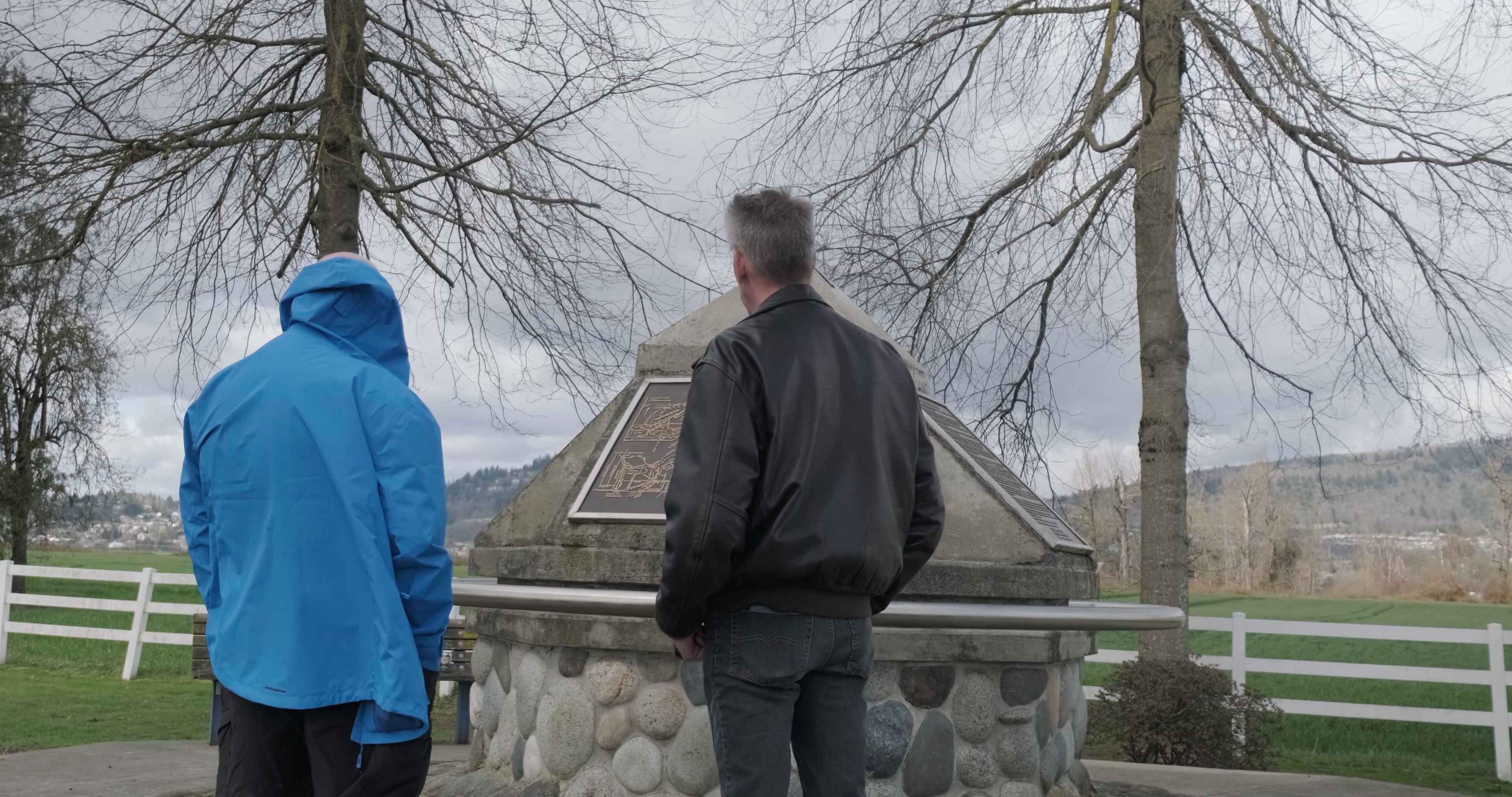
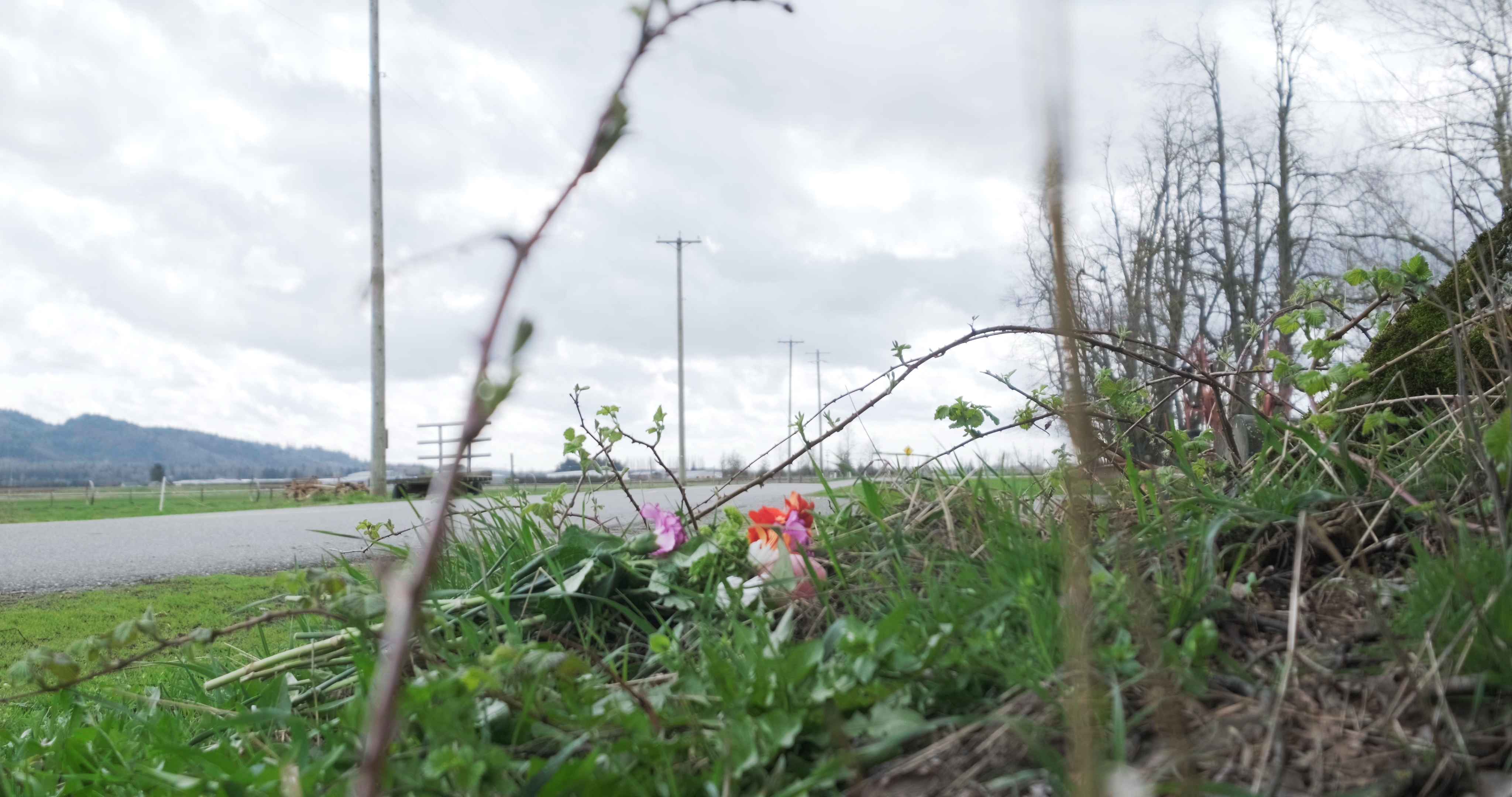
In 2023, a direct descendant of one of the lynch mob’s leaders journeyed to the Stó:lō community to offer his apology to Louie’s family. He went first to the site of the lynching, laid flowers on the ground, and read aloud a letter he had written to a boy who died in 1884. Then he sat down at a table with Semá:th and Stó:lō elders, councillors and family — and they offered him something no one had asked them for: healing, and the beginning of forgiveness.
“It was good to hear a government apologize for what happened way back when. But it is more important to hear it from you.”
A Stó:lō elder, to the descendant — from the filmThis film is the direct documentation of that day. Not a reconstruction, not a dramatization — the drive out, the frozen ground, the flowers, the letter, the table, the meal, the words spoken at the end. The elders’ teaching runs through all of it: be of good mind when you are doing this work.
Peace and Reconciliation Centre · UFV
Truth first. Then the work.
The Peace and Reconciliation Centre at the University of the Fraser Valley brings historians, students and community together on the histories that shaped this valley — the archives, the oral histories, the places you can still stand in. Reconciliation there is not a slogan; it is research done alongside the people whose story it is, and returned to them.
Additional research and editing support for this film came from UFV research students working with Professor Carlson.
Why we filmed it
We were the observers. Nothing more.
Desiré Kokuvi Amouzou of Find You in the Valley was invited on very short notice to witness the filming of this documentary. He joined, grabbed the first camera he could find, and went out to capture the day. It was a moving thing to stand inside a piece of history and to learn who Louie Sam was — through the words of Dr. Keith Carlson and the elders of the Stó:lō community.
We want to be plain about our place in this. The story is not ours. The history is not ours. We hold no stake in this project beyond one thing: that the film is seen, and that it is seen well. We are grateful to have carried a camera for it.
We hope the stories documented here resonate first with the communities we witness and respect — because we all share the same air, the same valley, and the same big sky.
Frames from the film
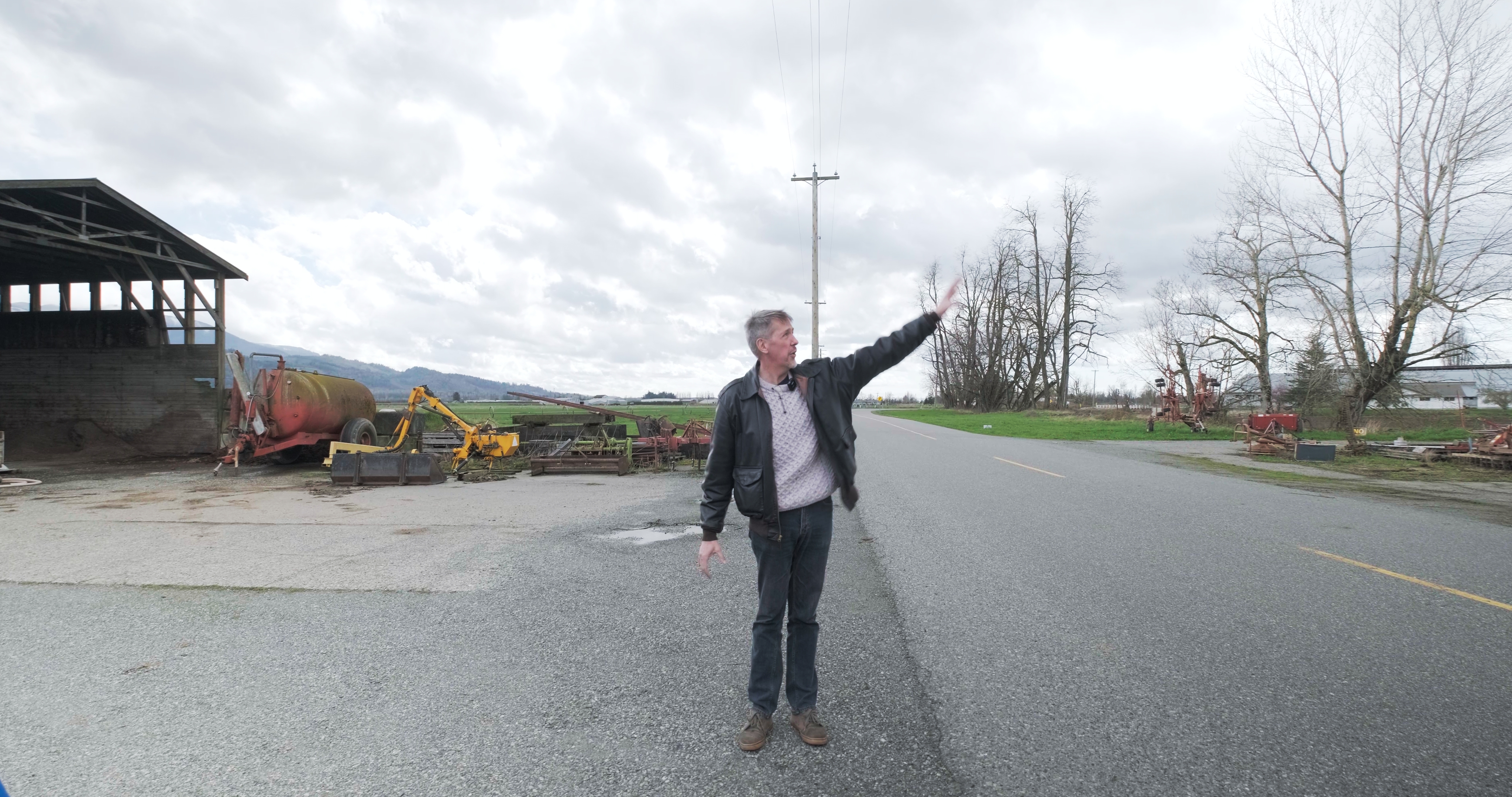
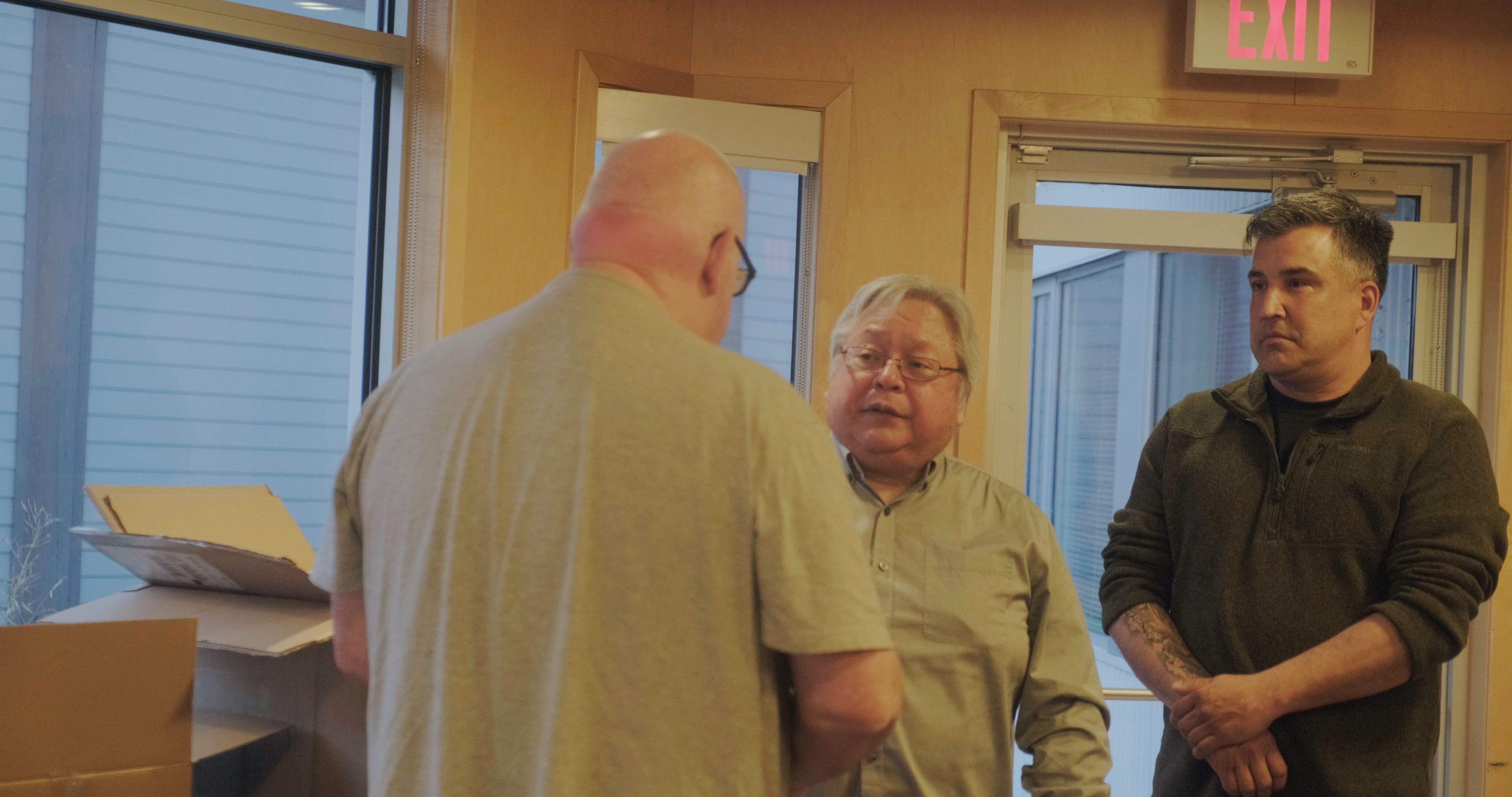
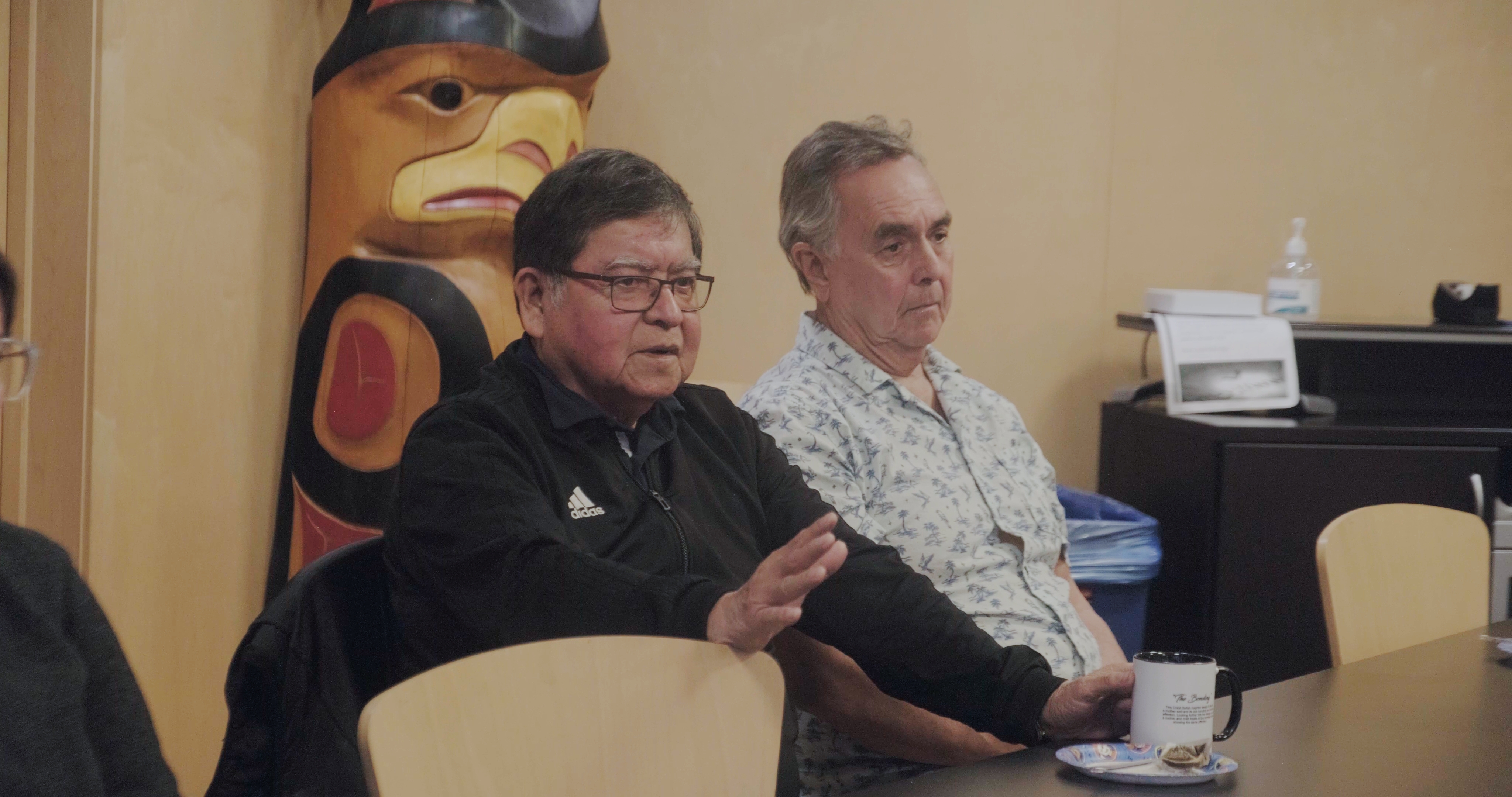
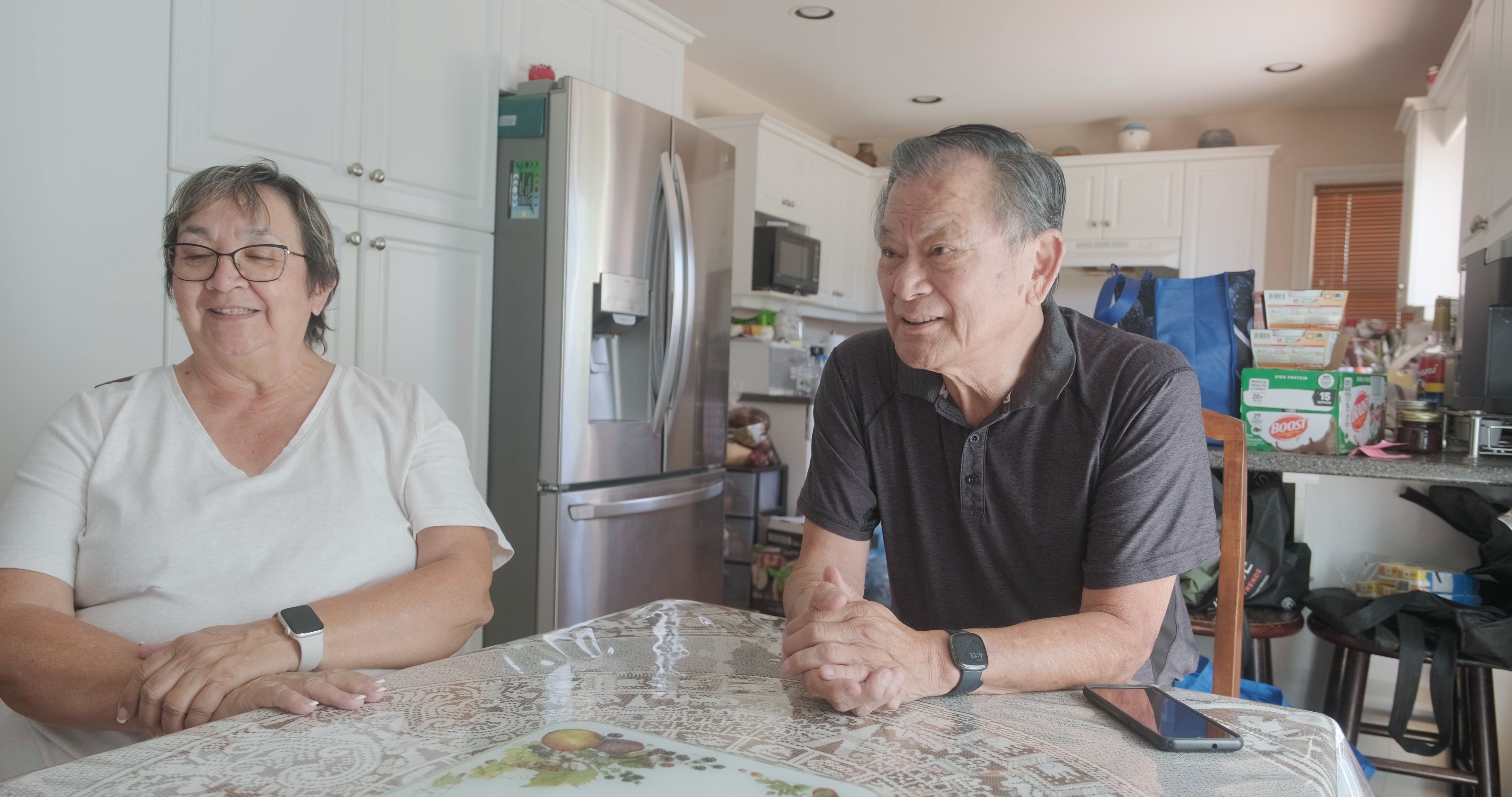
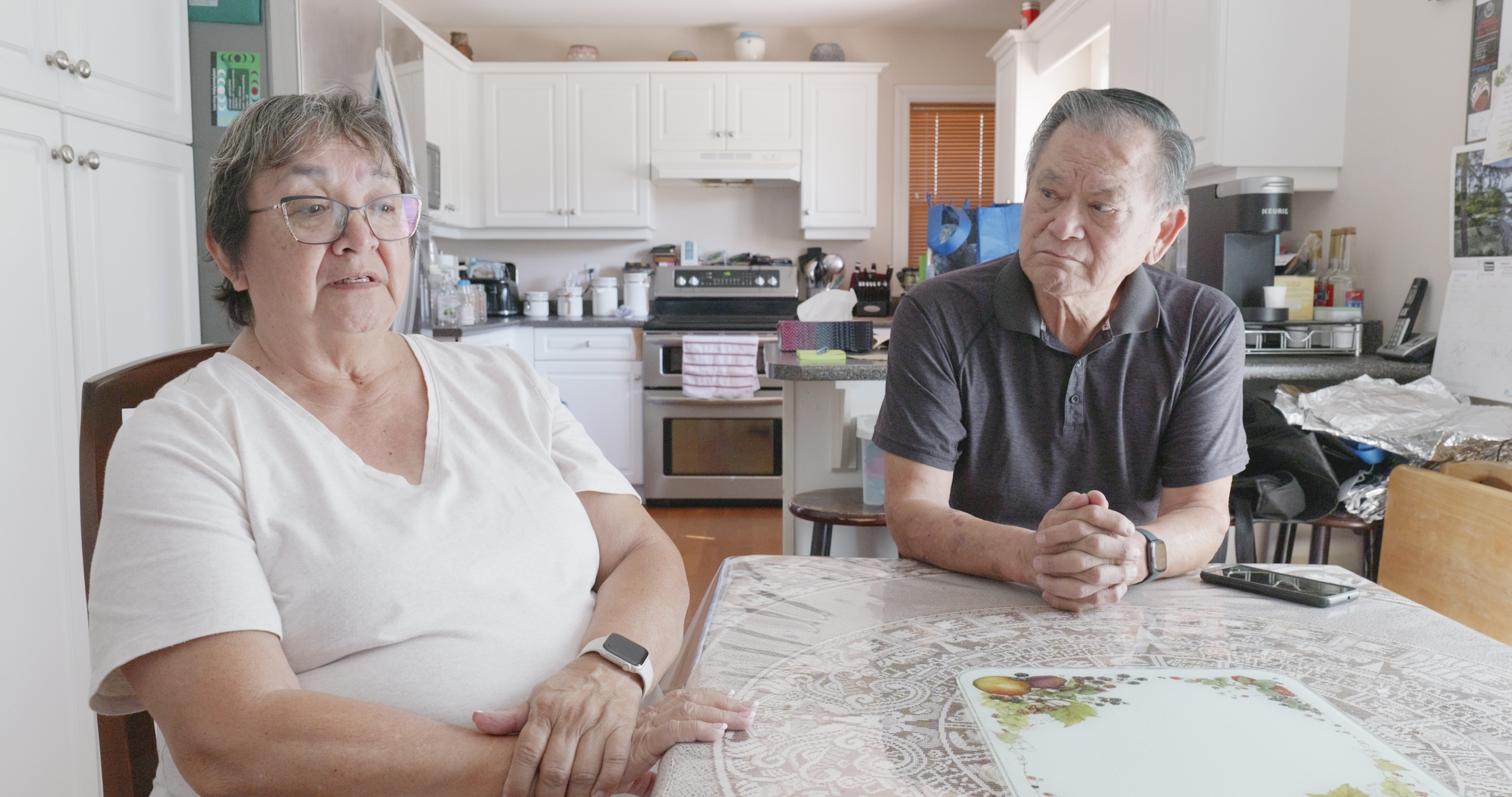
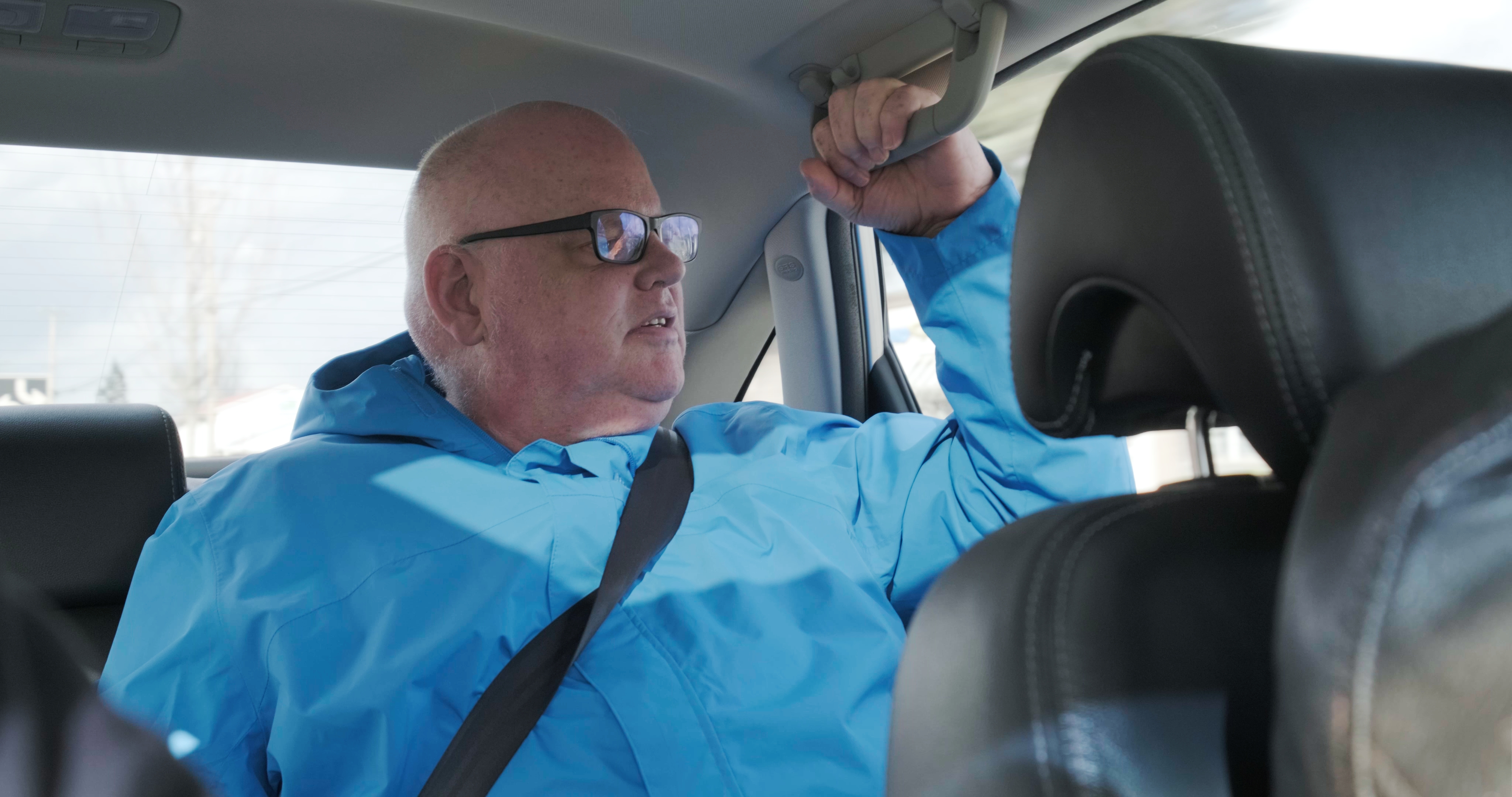
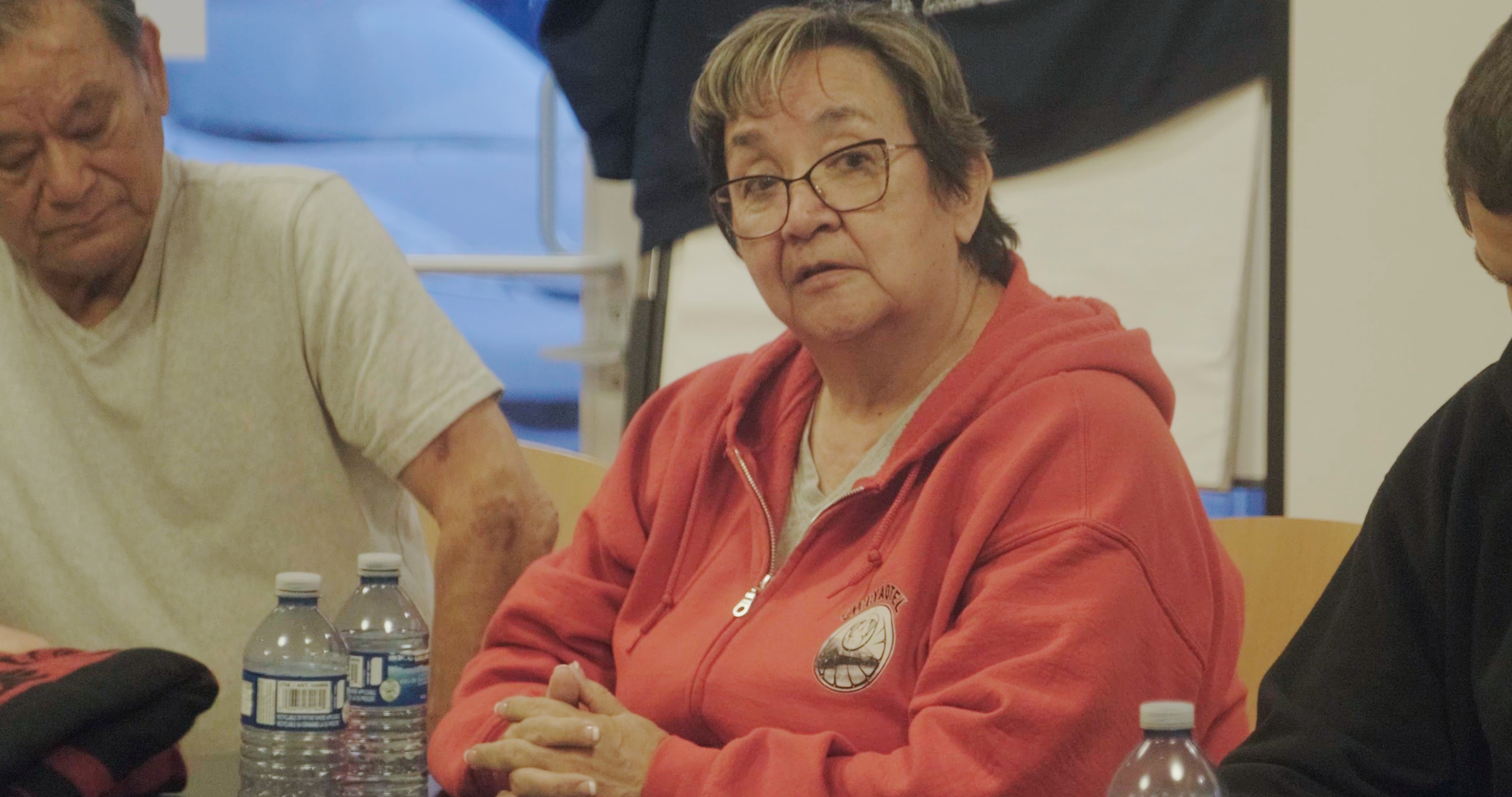
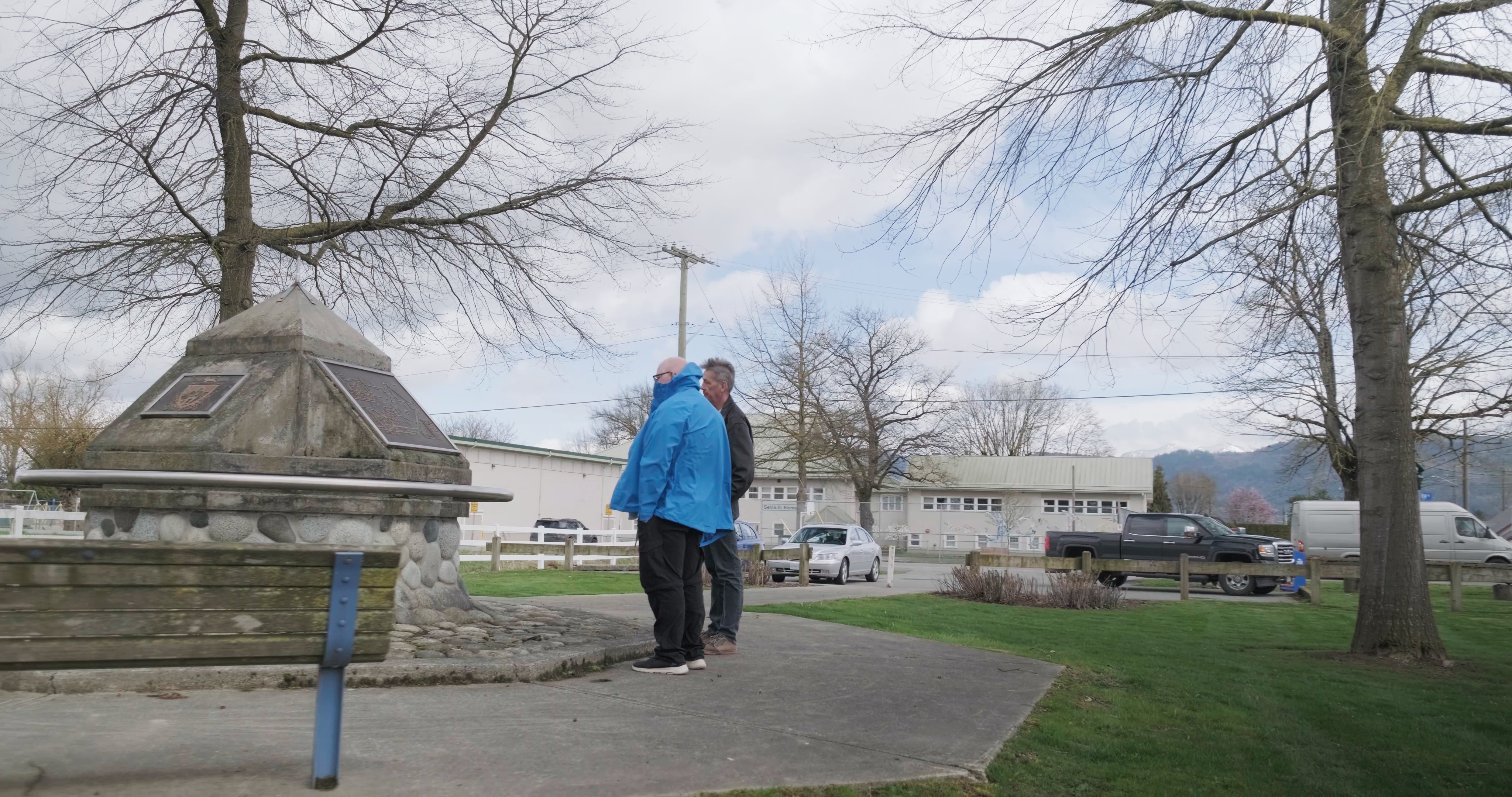
Stills © Find You Media / UFV Peace and Reconciliation Centre. Clips from the film will be added here after the September screening.
The public screening — free admission
September 23 — Abbotsford
The public debut of A Resting Heart — a screening followed by a conversation and Q&A with Chief Dalton Silver, Grand Chief Clarence Pennier, Dr. Keith Thor Carlson, Desiré Amouzou and John Emmery. Free and open to everyone. Leave your name below so we can plan seating and send you a reminder.
Admission is free and seating is limited — an RSVP helps us plan the room, and we’ll email you a reminder. Presented by the UFV Peace and Reconciliation Centre (PARC) and Desiré Amouzou, in partnership with the City of Abbotsford’s Culture City Program Series. Event listing: ufv.ca/peace-and-reconciliation/events.

Credits & gratitude
In harmony & collaboration with Stó:lō
Professor Keith Carlson (Stelómetel)
UFV — P.A.R.C. Director
Desiré Kokuvi Amouzou
Find You in the Valley · Find You Media
Teresa Carlson
Research students of UFV
with Professor Keith Carlson
Lemxyaltexw (Dalton Silver) — Chief of Semá:th First Nation
Troy Ganzeveld — Councillor, Semá:th First Nation
T’xwelatse — Herb Joe
Melileqthet — Helen Joe
Xwiyolemtel (Clarence “Kat” Pennier) — Stó:lō
Louie Sam (1869–1884)
Semá:th First Nation
Filmed in S’ólh Téméxw — the traditional, ancestral and unceded territory of the Stó:lō peoples, including the Semá:th and Ts’elxwéyeqw communities on whose land this story took place.